

The Great Auto Repair Debate: When to Demand OEM and When Aftermarket is Actually Better
Picture this: You are crawling through afternoon traffic on the N1 when a distracted driver rear-ends your car. It’s a standard bumper bashing. Annoying? Yes.
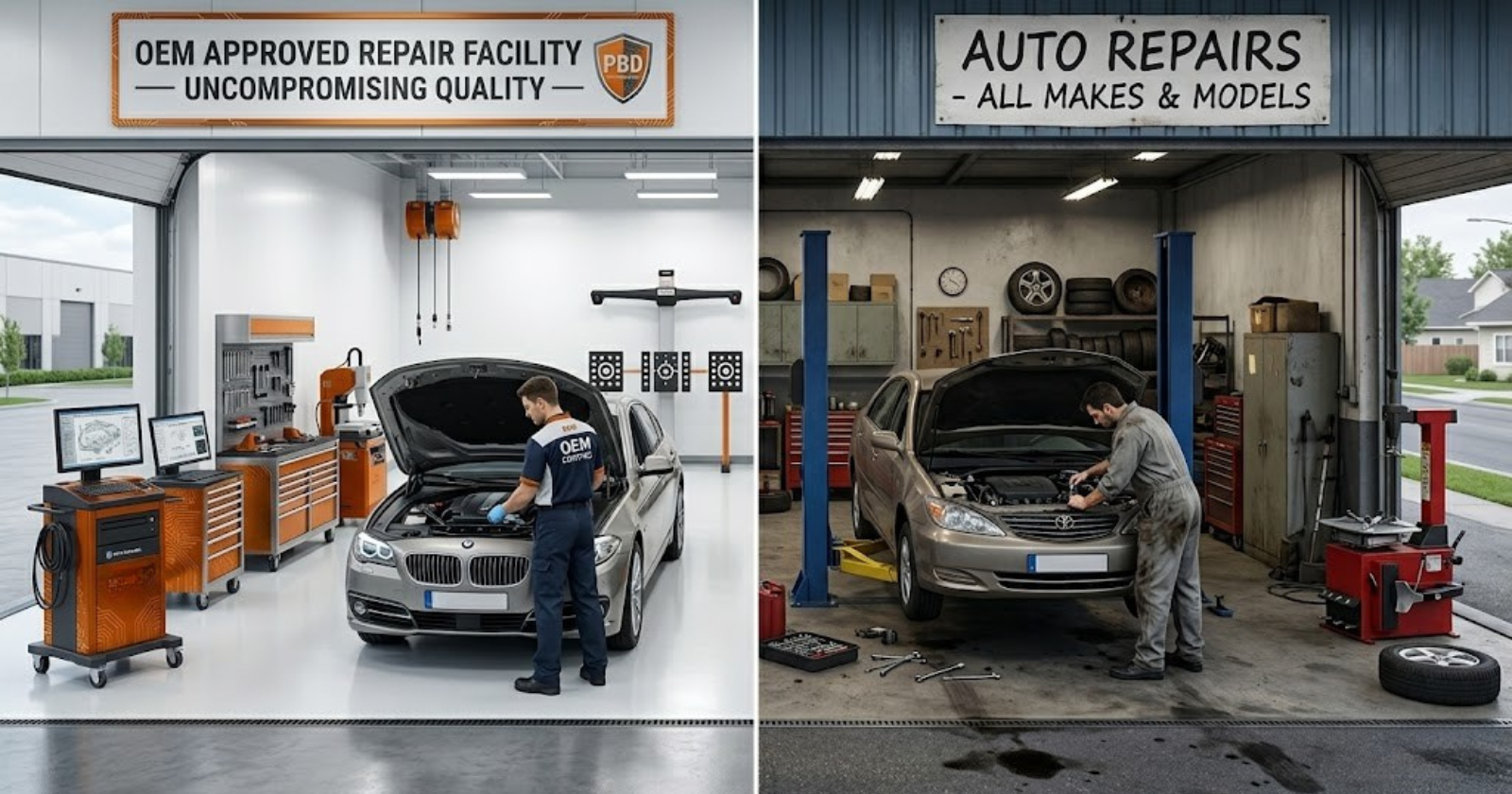
Now comes the real headache: fixing it. If you start shopping around for quotes, you will immediately run into the auto repair industry's biggest tug-of-war—OEM (Original Equipment Manufacturer) vs. Aftermarket parts and repairs.
The dealership will tell you that using anything other than OEM parts is a death sentence for your car. The budget mechanic down the road will tell you that OEM is just an overpriced scam.
The truth? They are both right, depending entirely on what you drive, what got broken, and who is paying the bill. Let’s cut through the sales pitches and look at when you need to [Internal Link: demand factory-approved standards], and when going with the cheaper alternative is actually the smartest move.
The Case for OEM: When Factory Standards Are Non-Negotiable
OEM means the parts and the repair procedures come directly from the company that built your car (like Toyota, BMW, or Ford). If your car is relatively new, heavily insured, or suffered serious damage, an [Internal Link: OEM-approved panel beater] is the absolute gold standard. Here is why you shouldn't compromise:
1. The "Computer on Wheels" Reality
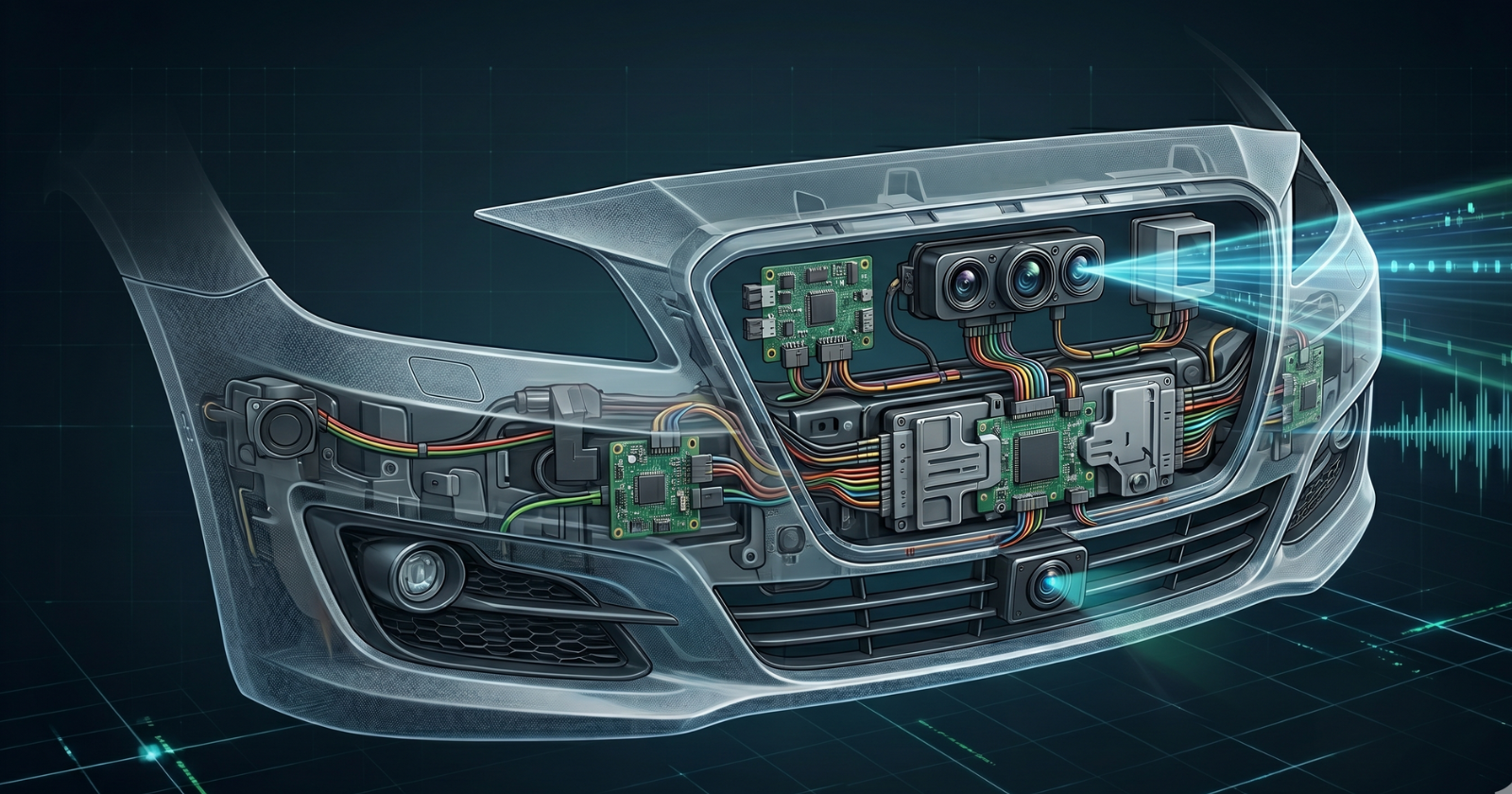
Your modern car is packed with Advanced Driver Assistance Systems (ADAS)—blind-spot monitors, parking sensors, and collision-avoidance radar. A minor tap can knock a sensor out of alignment by just a few millimeters. OEM-approved panel beaters have the exact factory diagnostic software to reset these systems. If a budget shop uses a slightly misshapen aftermarket bumper, those sensors might fail to detect a pedestrian in the road.
2. Exotic Metals and Structural Integrity
Carmakers now use ultra-high-strength steel and specialized aluminum to make cars lighter but safer. You cannot repair these metals with old-school welding. Hit high-tech steel with the wrong heat, and it permanently weakens. OEM approvals guarantee the shop uses the exact structural glue, rivets, and welding heat the factory demands so your crumple zones actually work in a second crash.
3. Protecting Your Motorplan & Navigating "Right to Repair"
South Africa's "Right to Repair" guidelines give you the freedom to choose your repairer. However, carmakers are ruthless about structural integrity. If an unauthorized shop touches your car and uses generic parts for a major repair while the car is still under warranty, your motorplan is instantly voided. Preserving that warranty—and your car's future trade-in value—means sticking to the manufacturer's approved network for structural or insurance-based fixes.
The Case for Aftermarket: When "Non-OEM" Makes Total Sense
Despite what the purists say, the aftermarket parts industry is massive for a reason. Sometimes, non-OEM parts aren't just "okay"—they are the most practical choice.
1. The 70% Uninsured Reality (Cost Savings)
Statistics show that roughly 70% of cars on South African roads are completely uninsured. If you are paying out of pocket, an OEM bumper could cost R15,000, while an aftermarket equivalent costs R4,000. For an uninsured driver, that aftermarket part is the difference between getting to work on Monday and having a car sitting broken in the driveway for six months.
2. Purely Cosmetic Fixes
If you need a new taillight cover, a side mirror housing, or a piece of interior plastic trim, there is zero safety risk in using an aftermarket part. A generic plastic grille does the exact same job as the one in a branded factory box, without the premium price tag.
3. Older Vehicles
Car manufacturers don't make parts for older models forever. If you are driving a trusty 15-year-old hatchback, the OEM might have discontinued the parts you need years ago. In these cases, the aftermarket is your only option. Plus, putting a brand-new, hyper-expensive OEM part on an older car where the repair bill exceeds the vehicle's total book value is just bad math.
4. Improved Designs
This surprises a lot of people: some aftermarket parts are actually better than the original. If a specific factory component is notorious for breaking early, aftermarket engineering companies will often step in and create an upgraded, heavy-duty version that outlasts the OEM design.
The Golden Rule: Structural vs. Cosmetic
If you are stuck trying to make a decision, use this simple rule of thumb:
-
Is it structural, electrical, or under warranty? (Think chassis, airbags, sensors, high-strength metal, engine components). Go OEM. Do not gamble with your safety or your motorplan.
-
Is it cosmetic, out of warranty, or attached with a few screws? (Think plastic bumpers, mirrors, trim, floor mats). Aftermarket is perfectly fine. Keep your hard-earned cash in your pocket.
Your Post-Accident Action Plan
Before you hand your keys over to anyone, figure out where you stand:
-
Check your warranty status: If you are covered, call your dealership and insist on using a certified shop.
-
Ask the shop what they are using: Even if you go to an approved auto body repairer, ask them to clarify on the quote which parts are OEM and which are "alternative" or aftermarket (insurers often push for alternative parts on older cars to save money).
-
Verify their credentials: Look for a shop with verified SAMBRA/CRA memberships and OEM approvals. A reputable shop will happily guide you through where it is safe to save money, and where you absolutely cannot cut corners.

Ready to find the right repairer for your car?
Whether you need a strict OEM-approved facility to protect your motorplan, or a trusted local expert who can safely handle an out-of-pocket aftermarket repair, we've got you covered.
Click Here and find a verified, top-rated auto body specialist in your area today!

Be the first to comment!